
Skip to content
Pillarstone Strategic Resources
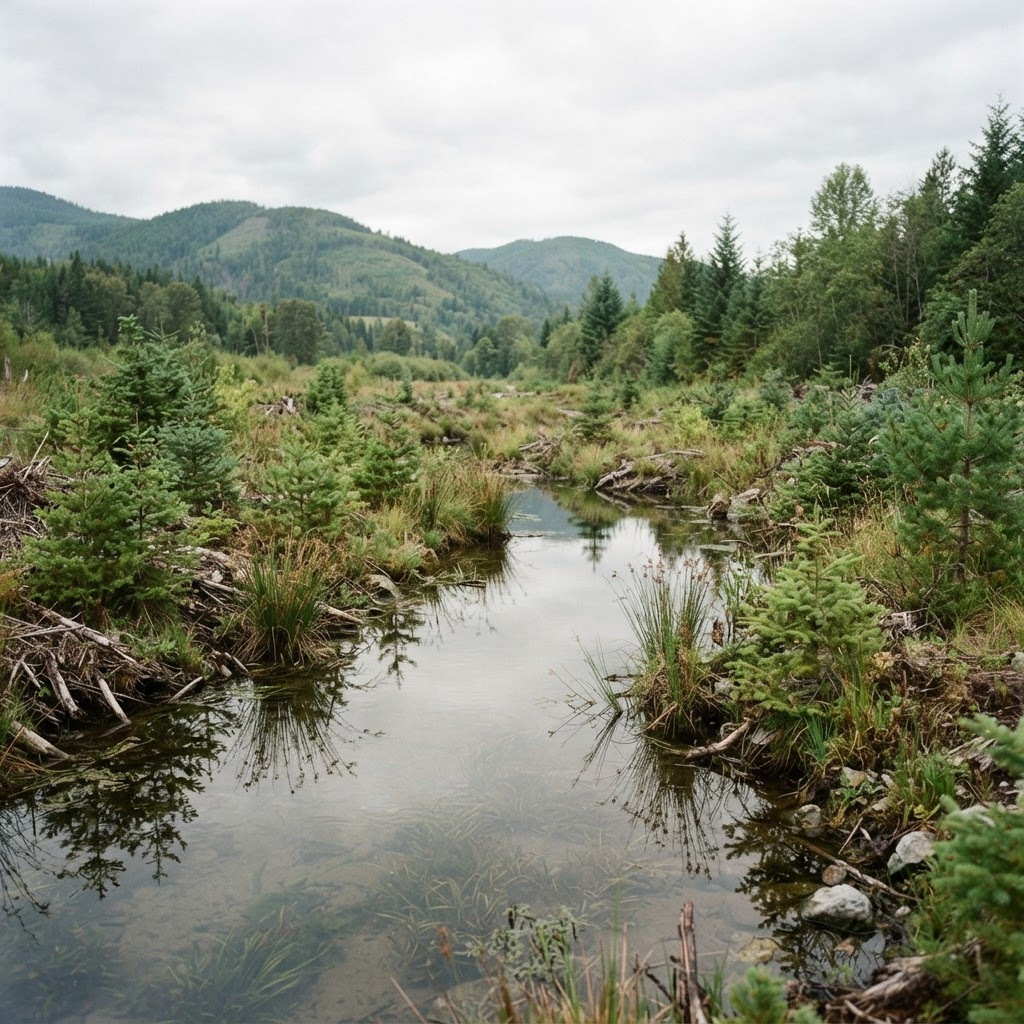
Restored wetland and riparian habitat

Sustainable development

Nature positive is a design requirement, not a report section.

We build our exploration programs around the direction the World Economic Forum's Nature Positive Transitions initiative has set for the sector: halt and reverse nature loss by 2030, and treat it as an opportunity rather than a cost.

The framing

The mining and metals sector depends on nature, and it is one of the sectors best placed to help restore it.

The World Economic Forums Nature Positive Transitions initiative sets out how the mining and metals sector can halt and reverse nature loss by 2030, identifying five priority actions and a set of investible opportunities that together represent hundreds of billions of dollars in annual value. Its central argument is one we share: nature action is not a constraint on the sector, it is a source of resilience, licence, and long-term value.

As an exploration company, we sit at the earliest point in that value chain which is exactly where nature-positive decisions are cheapest to make and most durable. What we do in our first two field seasons determines what is possible decades later.

Five priority actions

The sector-wide priorities, and what each one means for us.

01

Transform operations across the project life cycle

Nature is considered at every stage — from claim selection and early exploration through to eventual closure and reclamation — rather than being addressed at the permitting deadline.

In practice at Pillarstone

We set nature and water baselines before our first field season, not after, so every later decision is measured against something real.

02

Improve water stewardship

Water is the shared resource most affected by resource activity and the one communities feel first. Stewardship means managing quantity, quality, and access with the whole watershed in view.

In practice at Pillarstone

Our programs are designed around watershed boundaries, with monitoring shared openly with local rights holders and regulators.

03

Expand circularity and responsible sourcing

Value can be recovered from material already moved — tailings, waste rock, and processing streams — reducing the need to disturb new ground for the same tonne of metal.

In practice at Pillarstone

We assess re-processing and secondary recovery options alongside conventional targets, and we hold responsible-sourcing expectations through our supply chain.

04

Restore and regenerate landscapes

Halting nature loss is not enough. Landscapes and habitat need to be measurably better as a result of activity, with restoration planned and funded from the beginning.

In practice at Pillarstone

Progressive reclamation is budgeted in the same line as exploration spend, with habitat and riparian outcomes tracked year over year.

05

Transform policy and systems through collaboration

No single company can deliver nature-positive outcomes alone. It requires operators, investors, governments, Indigenous rights holders, and technology partners working to the same standards.

In practice at Pillarstone

We work in partnership with First Nations, regional governments, and innovation ecosystems, and we report against shared frameworks rather than inventing our own.

Priority actions as framed by the World Economic Forum Nature Positive Transitions initiative for the mining and metals sector. Pillarstone is not affiliated with the World Economic Forum; we reference the framework because we intend to be measured against it.

Geoscientist reviewing survey data used to reduce exploration footprint

Investible opportunities

Nature action that also improves the economics.

The Forums work identifies dozens of investible nature positive opportunities across the sector. These are the ones most relevant to early-stage exploration, and they are available now.

AI-assisted exploration targeting

Better subsurface prediction means fewer holes, less road building, and a smaller disturbed area for the same quality of decision.

Tailings and waste-rock re-processing

Recovering metal from material that has already been moved reduces the need to open new ground and can improve legacy site conditions.

Low-impact geophysics

Airborne and corridor-based surveys replace grid-cut lines, keeping vegetation and habitat largely intact during early work.

Water recycling and treatment

Closed-loop drilling water and improved treatment reduce withdrawal from sensitive watersheds.

Electrified and low-emission field equipment

On a predominantly hydroelectric grid, electrification is a genuine emissions reduction rather than an accounting exercise.

Biodiversity monitoring technology

Remote sensing, eDNA, and acoustic monitoring give measurable habitat data instead of one-off qualitative surveys.

Our commitments

Six commitments we can be held to.

  • 01Baseline before disturbance. Water, habitat, and biodiversity reference points are established before our first field season on any property.
  • 02Progressive reclamation funded as we go, not deferred to a closure plan written years later.
  • 03Watershed-scale water management, with monitoring data shared with rights holders and regulators.
  • 04Early, genuine engagement with First Nations, before a claim is staked or program design begins.
  • 05Public annual reporting against a recognised framework, including performance that falls short.
  • 06No offsetting claims used to describe on-the-ground outcomes we have not achieved.
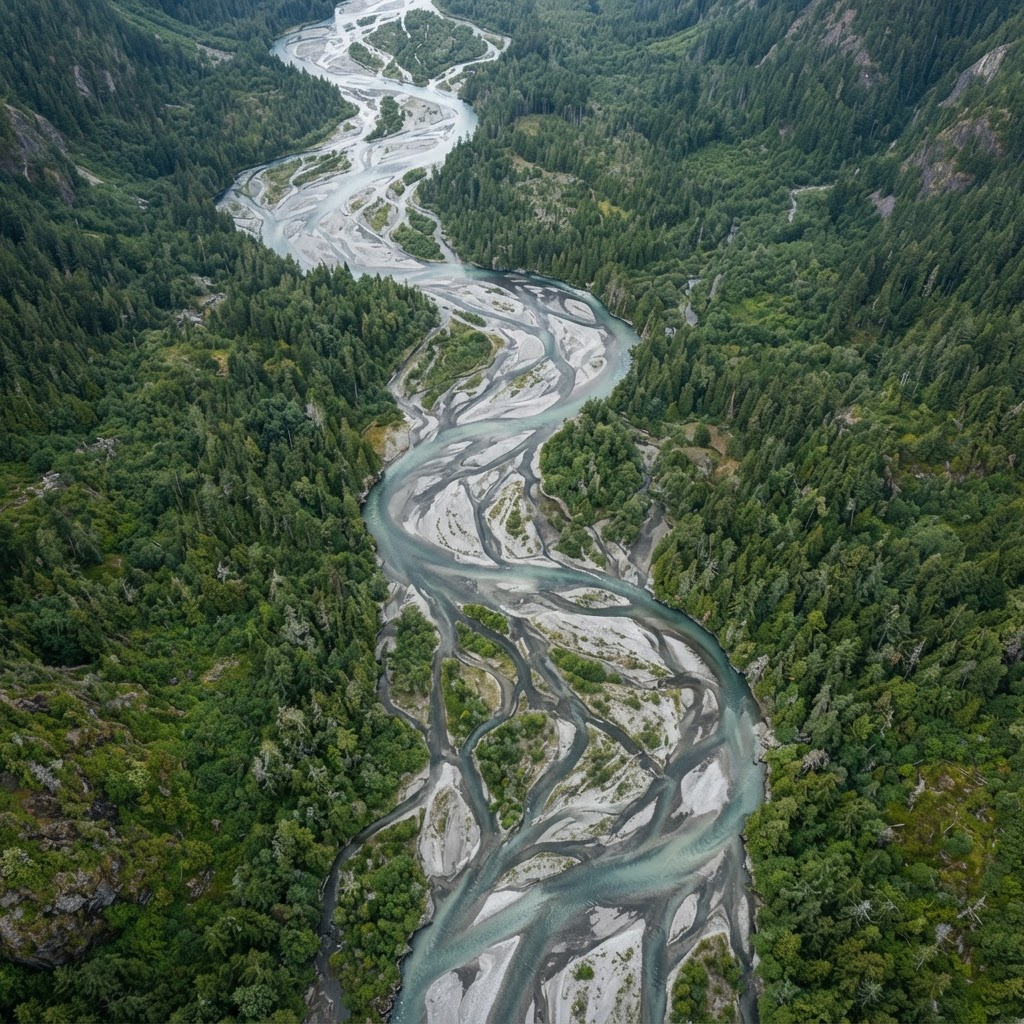
Braided glacial river and forest, representing watershed-scale stewardship

Community and First Nations partnership

Every property we hold sits on the traditional territory of Indigenous Peoples. We engage before program design is finalised, we share our data, and we structure work so that local employment, contracting, and knowledge are part of the plan rather than a byproduct of it.

A resource economy that is more resilient, not just larger.

We are looking for technology partners, investors, and community partners who want to prove that nature positive resource development is practical and investable.